Understanding cultural influences on gambling behaviors across different societies
The Role of Culture in Gambling
Cultural context plays a pivotal role in shaping gambling behaviors across various societies. In many cultures, gambling is seen as a form of entertainment and a social activity, while in others, it may be viewed as a vice or a path to moral decay. For instance, in countries like the United States, casinos are often vibrant entertainment hubs, attracting diverse crowds eager to participate in games of chance. This cultural acceptance contributes to the popularity and proliferation of gambling establishments, including Katanaspin casino.

Conversely, in some Asian cultures, gambling carries significant traditional value but is intertwined with social and familial obligations. In countries such as China, gambling is closely associated with festivities and celebrations, such as during the Lunar New Year. These cultural practices not only influence when and how people gamble but also shape perceptions of luck and fortune, making gambling a deeply embedded aspect of societal customs.
The diverse acceptance of gambling in different cultures can also be reflected in the regulatory frameworks governing it. For instance, while many Western countries have legalized various forms of gambling, some Middle Eastern nations uphold strict prohibitions against it. This disparity illustrates how deeply ingrained cultural beliefs can dictate not only individual behaviors but also broader societal norms related to gambling.
Societal Attitudes and Gambling Habits
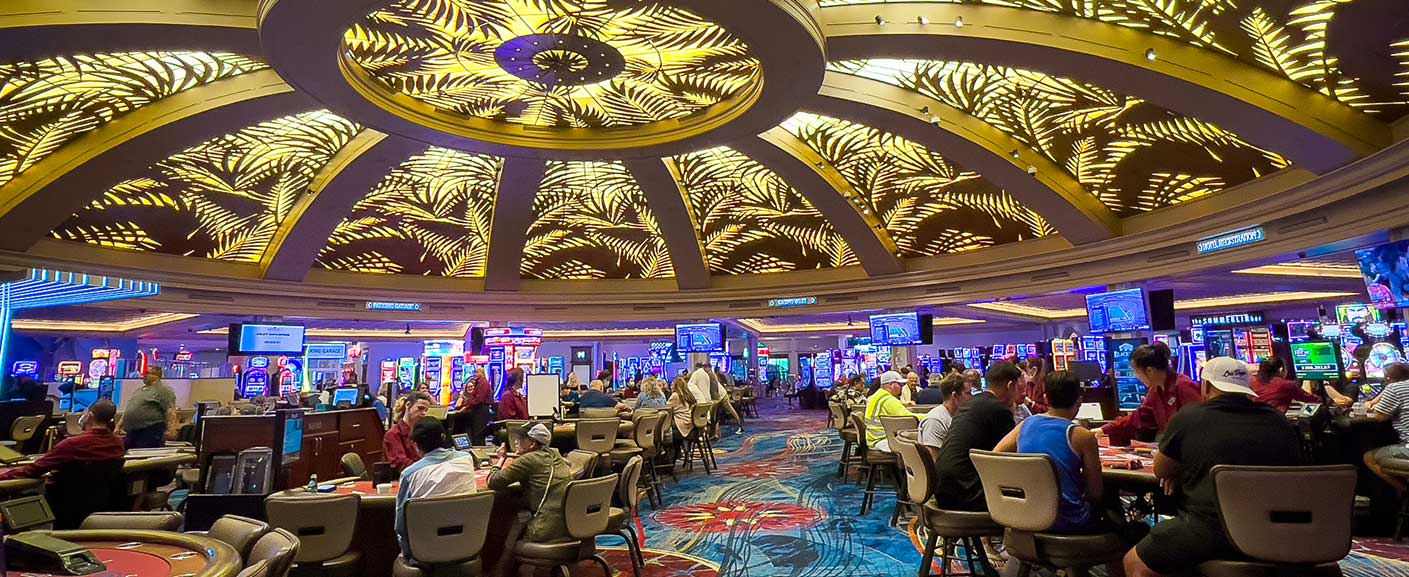
Societal attitudes towards gambling significantly influence how individuals engage with it. In societies where gambling is culturally accepted, people may be more likely to participate in both casual and high-stakes games without fear of societal repercussions. For example, in Las Vegas, a city synonymous with gambling, locals and tourists alike flock to casinos, drawn by the allure of potential winnings and the vibrant atmosphere.
On the other hand, in societies where gambling is stigmatized, individuals might resort to underground or illegal gambling venues to avoid judgment. This clandestine approach can lead to a more problematic relationship with gambling, as individuals may face greater psychological and social pressures. Research shows that these societal attitudes can affect the prevalence of gambling-related problems, emphasizing the need for culturally sensitive approaches to gambling education and prevention.
Additionally, the role of technology in shaping gambling habits cannot be overlooked. In societies with high internet penetration and smartphone usage, online gambling platforms are increasingly popular. This trend reflects the changing landscape of gambling and indicates that cultural attitudes towards technology and innovation also intersect with gambling behaviors. Understanding these dynamics is crucial for policymakers and gambling operators looking to create responsible gambling environments.
Cultural Symbolism and Gambling Practices
Gambling practices often carry significant cultural symbolism, with various games and rituals reflecting a society’s values and beliefs. In many cultures, certain games may symbolize luck, fate, or wealth, influencing how they are perceived and played. For instance, in some Indigenous cultures, games of chance may involve spiritual elements, where participants believe their success is linked to ancestral spirits or natural forces.
The symbolism attached to gambling games can also affect betting behaviors. In the case of lotteries, which are prevalent in many cultures, the act of playing can symbolize hope and aspiration. The communal aspect of lottery play often fosters social bonds, as people gather to discuss their dreams of winning, reinforcing the idea that gambling can be more than just a financial pursuit; it can be a shared cultural experience.
Additionally, rituals surrounding gambling, such as offerings or prayers for good luck, are common in various cultures. These practices highlight the intertwined relationship between cultural beliefs and gambling behaviors, suggesting that understanding this context is vital for addressing gambling responsibly. By respecting cultural symbols and practices, operators can create environments that resonate with players’ beliefs and enhance their overall experience.
The Impact of Economic Factors on Gambling Behavior
Economic conditions play a crucial role in shaping gambling behaviors across different societies. In economically prosperous regions, gambling may be viewed as a luxury or an enjoyable pastime, with individuals willing to allocate disposable income towards gaming activities. This is evident in countries with thriving tourism industries, where casinos often serve as major attractions, contributing to local economies and providing jobs.
In contrast, during economic downturns, gambling behaviors may shift as individuals seek alternative means of income or entertainment. Some may turn to gambling as a desperate attempt to improve their financial situations, leading to higher risks of problem gambling. This relationship underscores the importance of understanding economic contexts when studying gambling behaviors, as it can inform prevention and intervention strategies.
Furthermore, the availability of gambling options is often dictated by economic factors. In wealthier regions, a wider array of gambling options, from high-stakes poker to luxury casinos, is typically available. Conversely, in lower-income areas, gambling might be limited to small-scale or illegal venues. This disparity not only affects access to gambling but also influences the type of gambling behaviors exhibited within those societies.
Exploring Modern Gambling Trends and Platforms
With the advent of technology, modern gambling has evolved significantly, influenced by cultural practices and societal norms. Online gambling platforms have emerged as popular alternatives to traditional casinos, providing players with accessibility and convenience. This shift reflects changing attitudes towards gambling, as more individuals embrace digital solutions for their gaming needs.
In contemporary society, cultural influences on gambling behaviors are further amplified through social media and online communities. Players often share experiences and strategies, creating a communal aspect to online gambling. This cultural exchange can shape perceptions and behaviors, illustrating the importance of considering digital landscapes in the study of gambling.
Moreover, the rise of mobile gaming applications has made gambling more accessible to a broader audience. This democratization of gambling platforms allows individuals from various cultural backgrounds to engage in high-stakes games or casual play at their convenience. Understanding these trends is essential for industry operators, as it aids in creating culturally relevant gaming experiences that cater to diverse audiences.